

Robert Telles Awaits Jury Decision in Murder Trial
What is taking so long?
Jury deliberations can take a long time for several reasons, depending on the complexity of the case, the evidence presented, and the dynamics within the jury itself. The Robert Telles murder case in Las Vegas, Nevada, serves as a good example of why some juries take longer to reach a decision.
Factors Influencing Long Deliberations
- Complexity of the Case:
- Evidence: In high-profile cases like Robert Telles’, the evidence can be extensive and complicated. Juries have to carefully examine physical evidence, witness testimonies, and expert analyses. This process can be time-consuming, especially if the evidence is contradictory or if it requires interpretation.
- Legal Instructions: The jury must apply the law to the facts as instructed by the judge. In murder cases, the legal instructions are often intricate, involving considerations of intent, premeditation, and other legal definitions that jurors may not be familiar with.
- Jury Dynamics:
- Diverse Perspectives: Jurors come from different backgrounds, and their perspectives can vary widely. It can take time for them to discuss and reconcile these differing viewpoints, especially in cases with moral or emotional weight, like a murder trial.
- Deliberation Process: Jurors may take time to thoroughly debate and discuss each piece of evidence to ensure a fair verdict. If there is strong disagreement among jurors, the deliberation can be prolonged as they work to reach a unanimous decision.
- Nature of the Crime:
- Severity of the Charges: The seriousness of a murder charge, especially one involving a public figure like Robert Telles (who was a public official), adds pressure on the jury to ensure they reach a just decision. The weight of potentially sending someone to prison for life or even imposing a death penalty requires careful consideration.
- Public and Media Attention: High-profile cases often attract significant media and public attention, which can add to the pressure on the jury. Jurors may take extra time to deliberate to avoid making a hasty decision that could be scrutinized by the public.
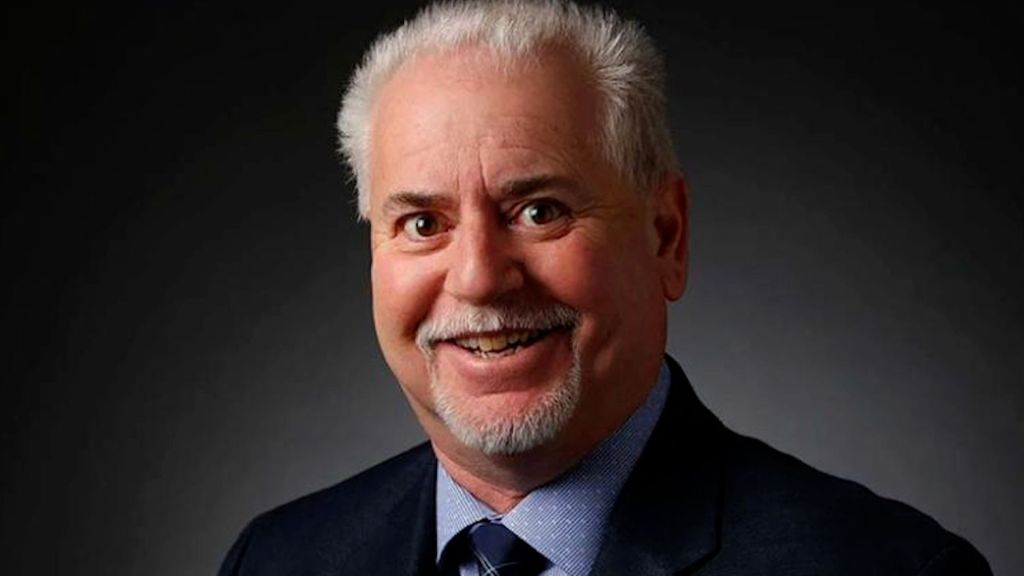
Image below: Murder victim Jeff German
Specifics of the Robert Telles Case
In the Robert Telles case, the situation is particularly complex for several reasons:
- High-Profile Nature: Telles was a public official, and the case has drawn significant media attention. The jury is likely aware of the public scrutiny and may take additional time to ensure their decision is based solely on the evidence.
- Alleged Motive: Telles was accused of murdering a journalist, which adds another layer of complexity. The jury has to consider not only the physical evidence but also the alleged motive, which is related to Telles’ work and potential personal grievances. Proving motive in such cases can be difficult and contentious.
- Evidence Examination: The jury might be dealing with complex forensic evidence, including DNA, digital footprints, and other technical aspects that require careful examination and understanding.
- Conflicting Testimonies: If there are witnesses with differing accounts or interpretations of events, the jury has to sift through these testimonies to determine which are credible and which are not.
In summary, the length of jury deliberations in cases like Robert Telles’ reflects the serious responsibility jurors bear in delivering a verdict that can profoundly impact the lives of those involved. The complexity of the case, the nature of the evidence, and the gravity of the charges all contribute to the time it takes for a jury to reach a decision.



 Profiling Evil, LLC
Leave a comment